That unusual lump on your dog’s side or your cat’s persistent eye irritation needs more than just a wait-and-see approach. At Indian Street Animal Clinic, Dr. Gary Zinderman, DVM, CVA, and our compassionate team understand how concerning these issues can be for pet owners. We specialize in soft tissue surgery to address a wide range of conditions that can significantly improve your pet’s quality of life and long-term health. These surgical solutions offer effective treatment for problems that medication alone cannot resolve, giving your companion the relief they deserve.
Soft Tissue Surgery
Understanding Soft Tissue Surgery
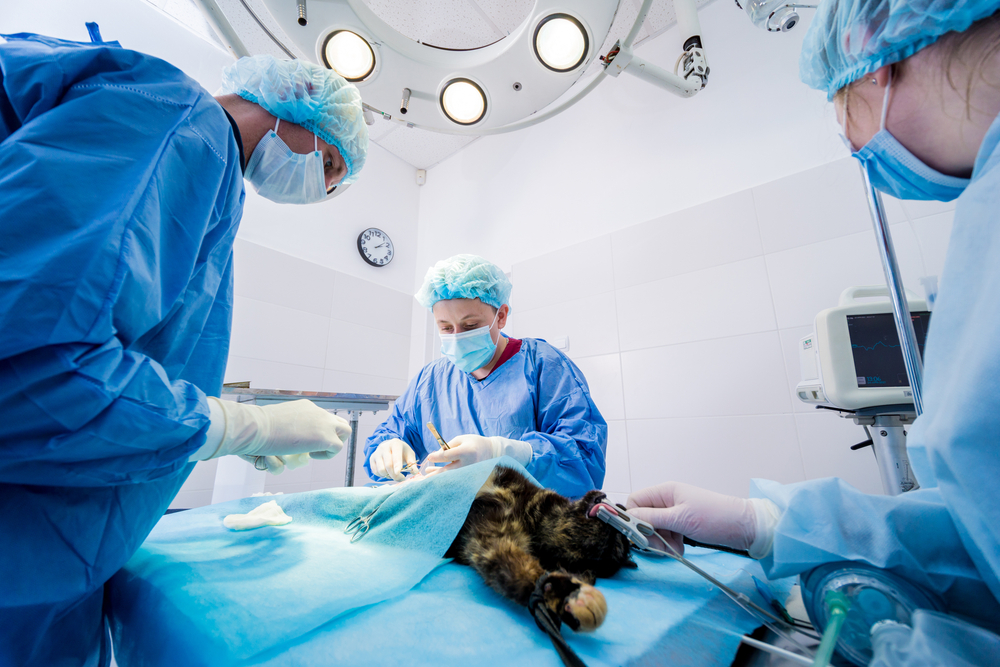
Soft tissue surgery encompasses surgical procedures that involve organs, skin, muscles, and other tissues not related to bone. Unlike orthopedic surgery, which focuses on skeletal issues, these procedures address problems affecting your pet’s internal organs, skin structures, eyes, ears, and other non-skeletal areas.
These procedures can range from routine mass removals to more complex interventions involving the abdomen, chest, or specialized structures like eyelids and ear canals. This type of surgery plays a vital role in veterinary medicine because it addresses conditions that may not resolve with medication alone, including suspicious lumps, chronic eye tearing, and recurring ear infections that require surgical correction.
Benefits of Soft Tissue Surgery for Pets
Catching Cancer Before it Spreads
One of the most significant advantages of soft tissue surgery is the ability to remove and test suspicious lumps before they become problematic. While many masses turn out to be benign, some can be cancerous. Removing these growths early and obtaining an accurate diagnosis through testing gives your pet the best possible outcome. Waiting to address a lump can allow potentially dangerous cells to spread, making treatment more difficult and reducing your pet’s chances of recovery.
Breaking the Cycle of Ear Infections
If your dog experiences frequent ear infections that don’t respond well to medication, surgical intervention can provide lasting relief. By improving airflow into the ear canal through procedures that reshape or open the canal, surgery reduces the warm, moist environment where bacteria and yeast thrive. This means fewer infections, less discomfort for your pet, and reduced need for repeated antibiotic treatments that can become less effective over time.
Protecting Your Pet's Vision
Eye-related soft tissue surgery can address several conditions that cause discomfort and threaten your pet’s vision. When eyelashes grow abnormally and rub against the cornea, or when eyelids don’t function properly, surgical correction prevents ongoing damage. These procedures reduce pain, minimize scarring that can impair vision, and help your pet maintain clear, comfortable eyesight throughout their life.
Restoring Comfort and Energy
Pets living with chronic conditions like persistent infections, painful masses, or irritated eyes experience daily discomfort that affects their behavior and happiness. Soft tissue surgery addresses the root cause of these problems rather than just managing symptoms. After recovery, many pets show renewed energy, improved temperament, and a return to their normal activities, making life better for both you and your companion.
Stopping Small Problems From Becoming Big Ones
Many conditions that require soft tissue surgery can lead to more severe problems if left untreated. A small mass can grow and become cancerous, chronic ear infections can damage the ear canal permanently, and eye injuries can result in vision loss. Surgical intervention prevents these complications, protecting your pet’s long-term health and potentially saving you from more extensive, costly treatments down the road.
What to Expect During Your Pet's Surgery
Why Choose Us for Your Pet’s Soft Tissue Surgery
Dr. Gary Zinderman, DVM, CVA, has performed hundreds of soft tissue procedures and continues advancing his skills through ongoing education in veterinary surgery. His certification in veterinary acupuncture demonstrates a commitment to comprehensive care that extends beyond traditional surgical methods. You’ll work directly with an experienced surgeon who takes time to explain your pet’s condition and the recommended treatment in terms you can understand, not rushed medical jargon.
Surgery requires trust, especially when it involves your beloved companion. At Indian Street Animal Clinic, we answer every question thoroughly before your pet’s procedure and remain accessible throughout recovery. Our surgical protocols include careful pre-operative screening, close anesthetic monitoring, and detailed discharge instructions that set your pet up for successful healing. You’ll receive clear guidance on what to watch for at home and direct access to our team if concerns arise during your pet’s recovery.
Let’s Create a Soft Tissue Surgery Plan for Your Pet’s Recovery!
Soft tissue surgery can help restore your pet’s comfort and vitality through procedures such as mass removals, ear canal corrections, and eye procedures. Dr. Gary Zinderman, DVM, CVA, at Indian Street Animal Clinic has the surgical expertise to handle these procedures. We’ll walk you through every detail of the process so you understand exactly what your companion needs and what to expect during recovery.
Reach out to our team today at 772-781-9990 to discuss your pet’s specific condition and learn how these procedures can help them feel like themselves again. Share your experience with other pet owners in our community by connecting with us on Facebook, where we highlight the real stories of pets who’ve returned to comfortable, active lives after successful procedures.
FAQs
How to diagnose a soft tissue injury in dogs?
Diagnosing soft tissue injuries in dogs typically involves a physical examination where your veterinarian checks for swelling, pain, or restricted movement in the affected area. Your vet may also recommend imaging studies such as X-rays or ultrasounds to evaluate the extent of damage to muscles, ligaments, tendons, or other soft tissues. In some cases, additional tests like bloodwork or specialized imaging may be necessary to rule out other conditions and create an accurate diagnosis that guides appropriate treatment.
How to treat a soft tissue injury in dogs?
Treatment for soft tissue injuries in dogs depends on the severity and location of the damage. Minor injuries often respond well to rest, anti-inflammatory medications, and controlled activity restriction to allow natural healing. More severe injuries may require surgical intervention to repair torn ligaments, remove damaged tissue, or address complications that won’t heal on their own. Your veterinarian will develop a comprehensive treatment plan that may include pain management, physical therapy, and follow-up care to ensure proper recovery.
What is a soft tissue injury in dogs?
A soft tissue injury in dogs refers to damage affecting the muscles, tendons, ligaments, skin, or other non-skeletal structures in your pet’s body. These injuries can result from trauma, overexertion, repetitive stress, or degenerative conditions that weaken these tissues over time. Common soft tissue injuries include sprains, strains, contusions, and tears that cause pain, swelling, limping, or reduced mobility. While some soft tissue injuries heal with conservative treatment, others require surgical repair to restore function and prevent long-term complications.
How to heal a cat’s soft tissue injury?
Healing a cat’s soft tissue injury begins with accurate diagnosis and following your veterinarian’s treatment recommendations carefully. Most minor injuries improve with rest, restricted activity, and medications to reduce inflammation and manage pain while the body heals naturally. Your cat may need to be confined to a small space to prevent jumping or running that could worsen the injury. More serious injuries may require surgical repair, followed by careful monitoring, wound care, and gradual return to normal activity as directed by your veterinarian.
What is soft tissue surgery in cats?
Soft tissue surgery in cats encompasses surgical procedures that address problems affecting organs, skin, muscles, and other non-skeletal structures. Common soft tissue surgeries for cats include mass removals, spay and neuter procedures, gastrointestinal surgeries, and corrections for eye or skin conditions. These procedures can resolve issues that don’t respond to medical management alone, providing relief from pain, preventing disease progression, and improving your cat’s overall quality of life. Your veterinarian will determine if soft tissue surgery is appropriate based on your cat’s specific condition and health status.
*For non-urgent scheduled appointments only. Wellness plans are not insurance and include listed services only. Plans do not cover any additional care recommended or provided to treat illness or accidental injury. Enrollment fees and services not used within the Plan term are non-refundable. Indian Street Animal Clinic reserves the right to adjust monthly fees or included services on any renewal or enrolment.