
Your pet’s skin health and comfort matter deeply, and at Indian Street Animal Clinic, Dr. Gary Zinderman, DVM, CVA understands that allergies and dermatological conditions can significantly impact your companion’s quality of life. When your dog won’t stop scratching or your cat develops persistent skin issues, you need expert veterinary care that addresses the root cause, not just the symptoms. Our comprehensive approach to allergy and dermatology services helps pets find lasting relief while giving you the knowledge and tools to support their wellness at home.
Allergy/Dermatology
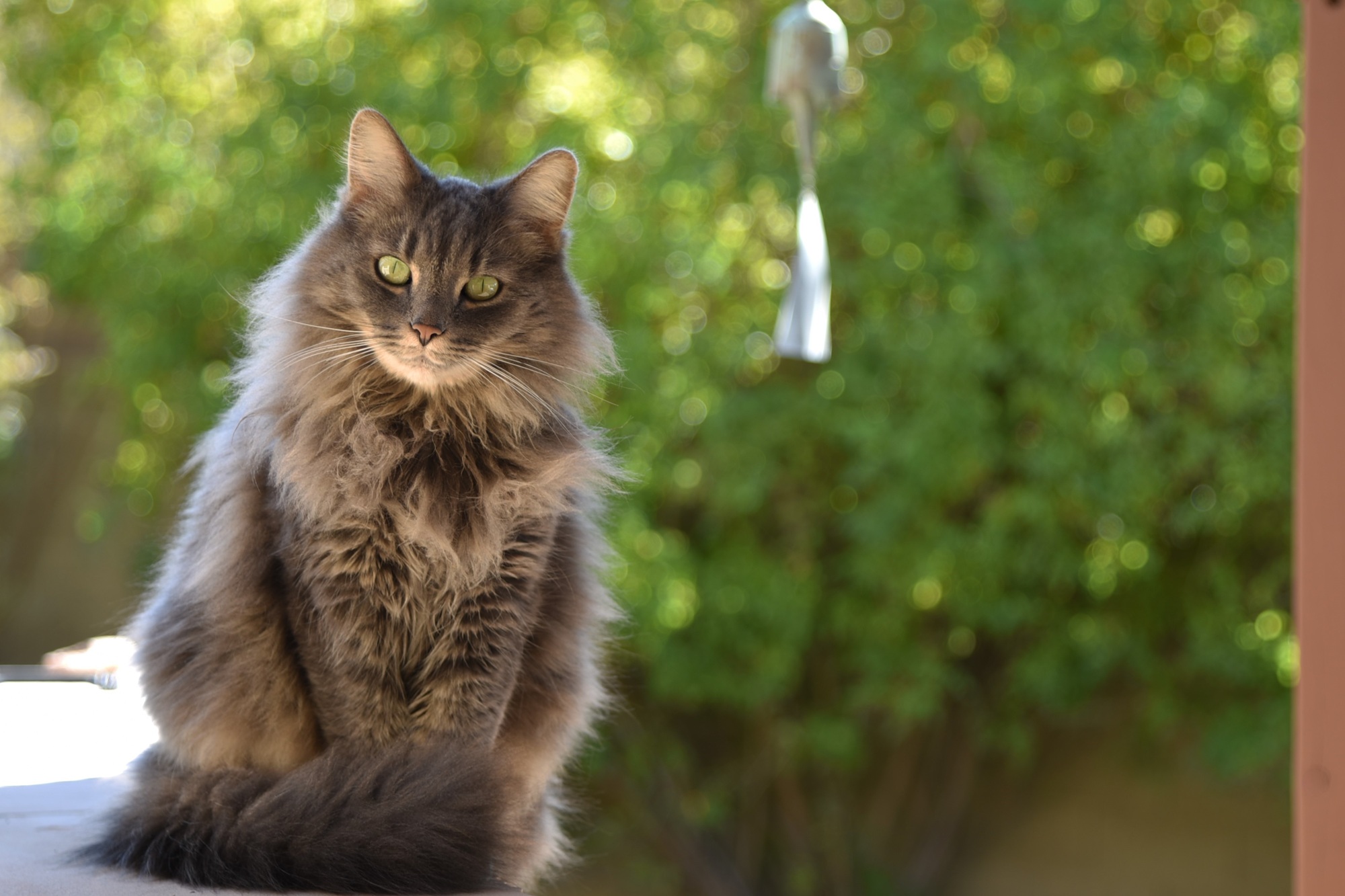
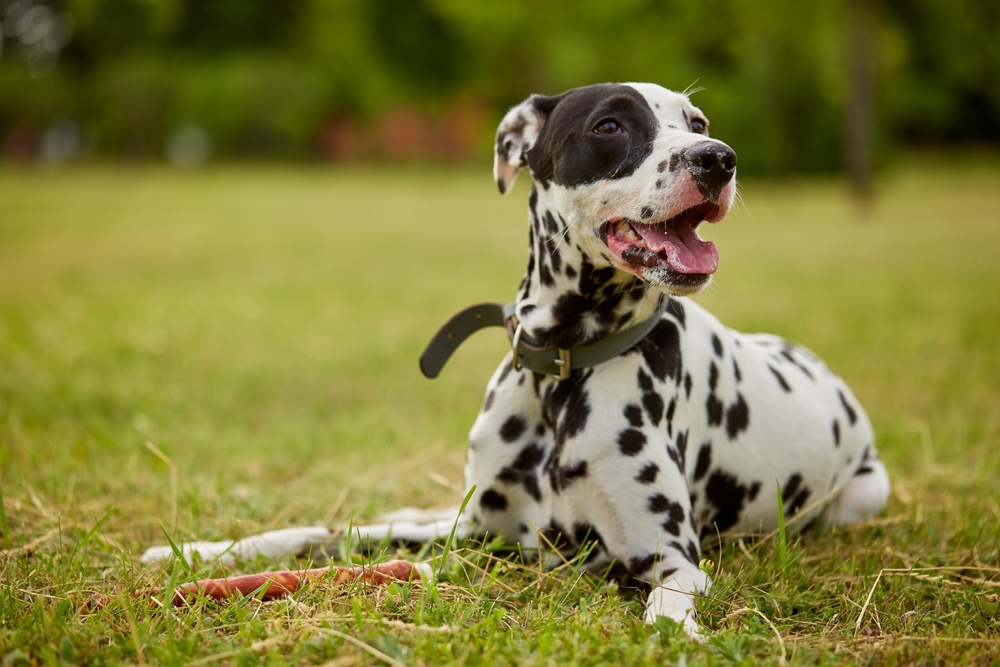
Understanding Pet Allergy & Dermatology Care
Veterinary dermatology focuses on diagnosing and treating skin, ear, nail, and coat conditions in pets. Allergies represent one of the most common reasons pet owners seek dermatological care, manifesting through itching, redness, hair loss, and skin infections. Your pet can develop allergies to environmental triggers like pollen and dust mites, food ingredients, or parasites such as fleas. Unlike humans who typically sneeze with allergies, pets usually show their discomfort through skin problems and excessive licking or scratching.
Skin conditions in pets range from simple irritations to complex chronic diseases requiring ongoing management. Environmental factors, genetics, parasites, infections, and immune system disorders all contribute to dermatological problems. Early intervention makes a significant difference in treatment outcomes, which is why recognizing the signs of skin issues helps you get your pet the care they need before minor problems become serious conditions. Professional veterinary dermatology services provide accurate diagnosis through specialized testing and examination, ensuring your pet receives targeted treatment rather than guesswork.
Complete Allergy and Dermatology Solutions
Indian Street Animal Clinic offers comprehensive diagnostic and treatment options tailored to your pet’s specific dermatological needs. We combine thorough examinations with advanced testing to identify the underlying causes of your pet’s discomfort.
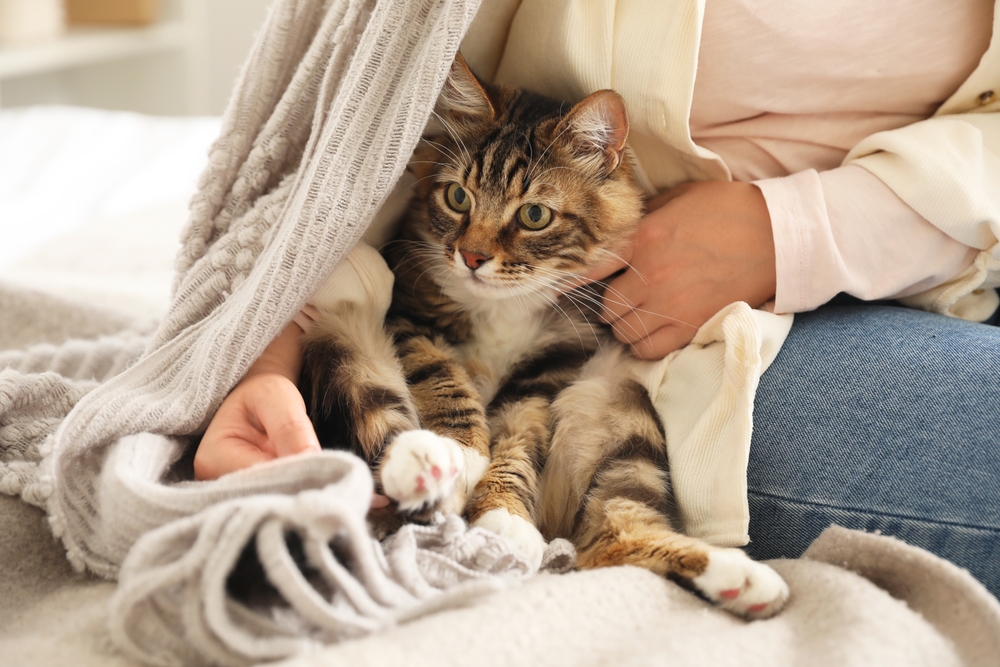

What to Expect from Our Treatment
Comprehensive Skin and Allergy Evaluation
Your first visit begins with a detailed discussion about your pet’s symptoms, lifestyle, diet, and medical history. We perform a thorough physical examination, paying close attention to affected areas, patterns of skin lesions, and any secondary infections that may have developed. This comprehensive assessment helps us determine which diagnostic tests will provide the most valuable information for creating an effective treatment plan.
Developing Your Pet's Healing Protocol
Based on diagnostic findings, Dr. Gary Zinderman, DVM, CVA develops a treatment protocol specifically designed for your pet’s condition and your household’s capabilities. We explain each recommended therapy, medication, or lifestyle change in clear terms you can understand and implement at home. Your plan may include multiple approaches working together, such as medications to control itching while we address underlying allergies through diet changes or immunotherapy.
Starting Your Pet's Therapy Program
You’ll receive detailed instructions for administering medications, applying topical treatments, and managing your pet’s environment to support healing. We demonstrate proper techniques for medicated baths, ear cleaning, or other at-home care during your appointment so you feel confident handling your pet’s needs. Many skin conditions require consistent treatment over weeks or months, and we provide realistic expectations about the timeline for seeing improvement.
Long-Term Skin Health Management
Maintaining skin health after initial treatment often requires ongoing preventive care and monitoring. We teach you to recognize early signs of flare-ups so you can intervene quickly before conditions worsen. Your aftercare plan might include regular bathing schedules, dietary guidelines, supplement recommendations, and strategies for minimizing exposure to identified allergens in your home and yard.
Progress Monitoring and Plan Adjustments
Scheduled rechecks allow us to assess treatment progress and make necessary adjustments to your pet’s care plan. We monitor for potential side effects from medications, evaluate skin healing, and determine when we can reduce or discontinue certain therapies. Long-term management of chronic conditions means building a partnership where you stay in communication with our team about your pet’s status between appointments.
Why Choose Us
Managing your pet’s skin conditions and allergies requires thorough investigation, accurate diagnosis, and personalized treatment approaches. Indian Street Animal Clinic prioritizes comprehensive care that looks beyond surface symptoms to identify what’s truly causing your pet’s discomfort. Dr. Gary Zinderman, DVM, CVA brings a unique perspective to dermatology cases through his background in veterinary acupuncture, offering complementary treatment options when your pet benefits from a more holistic care strategy.
We recognize that every pet responds differently to treatment, which is why we remain flexible and responsive throughout your pet’s care. Our team adapts approaches based on how your pet progresses and what you can realistically maintain at home. You’ll find accessible support when questions arise between appointments, because managing chronic conditions means you need guidance when challenges appear, not just during scheduled visits.
Give Your Pet Relief With Our Allergy and Dermatology Care!
Watching your companion suffer from constant itching, recurring infections, or uncomfortable skin problems doesn’t have to be your reality. Dr. Gary Zinderman, DVM, CVA, and our dedicated team are ready to help your pet find relief through comprehensive allergy and dermatology diagnosis and individualized treatment.
Schedule a dermatology consultation by calling Indian Street Animal Clinic at 772-781-9990 and let us investigate what’s causing your pet’s discomfort. We’ll work together to develop a treatment plan that fits your pet’s needs and your lifestyle, with clear guidance every step of the way. Stay connected with us on Facebook and Instagram where we share practical skin care strategies, answer common allergy questions, and keep you updated on the latest approaches to veterinary dermatology.
FAQs
What can I give my dog for allergies?
Over-the-counter antihistamines like diphenhydramine can provide temporary relief for some dogs, but you should always consult your veterinarian before giving any medication to determine the appropriate dose for your dog’s size and to rule out contraindications. Omega-3 fatty acid supplements, hypoallergenic diets, and regular bathing with gentle shampoos may also help reduce allergy symptoms. The most effective approach requires identifying your dog’s specific allergens through veterinary testing and developing a comprehensive management plan that addresses the underlying cause rather than just masking symptoms.
Can dogs have allergies?
Yes, dogs commonly develop allergies to environmental substances like pollen, mold, and dust mites, as well as food ingredients and flea saliva. Environmental allergies, also called atopy, typically cause itchy skin, ear infections, and excessive licking of paws or other body parts. Food allergies may produce similar skin symptoms along with gastrointestinal issues like vomiting or diarrhea, though skin manifestations remain the most common presentation in dogs with dietary sensitivities.
How to get rid of cat allergies naturally?
For cats with allergies, regular grooming and bathing with hypoallergenic products can remove allergens from their coat and reduce skin irritation without harsh chemicals. Improving indoor air quality through HEPA filters, reducing dust and mold, and keeping your home clean minimizes environmental allergen exposure. Omega-3 fatty acid supplements from fish oil support skin barrier function and may reduce inflammatory responses, while a high-quality, limited-ingredient diet can help if food sensitivities contribute to your cat’s symptoms.
What causes cat allergies?
Cats develop allergies when their immune system overreacts to normally harmless substances in their environment, food, or from parasites. Environmental allergens like pollen, dust mites, mold spores, and certain plants trigger allergic reactions in susceptible cats, often causing intense itching and skin lesions. Flea allergy dermatitis represents one of the most common allergic conditions in cats, where even a single flea bite can cause severe itching due to sensitivity to proteins in flea saliva.
How to help dogs with dry skin?
Increasing dietary omega-3 fatty acids through fish oil supplements or specially formulated foods helps improve skin moisture and reduces inflammation associated with dry, flaky skin. Regular bathing with moisturizing shampoos designed for dogs, followed by leave-on conditioners or topical moisturizers, provides external hydration and protects the skin barrier. Ensuring your dog stays well-hydrated, maintaining proper humidity levels in your home, and addressing underlying health conditions like hypothyroidism or allergies that contribute to dry skin will provide the most lasting improvement.
How can I soothe my cat's itchy skin?
Gentle oatmeal-based baths or wipes formulated for cats can provide immediate temporary relief by soothing inflamed skin and removing surface irritants. Keeping your cat’s nails trimmed short prevents additional trauma from scratching, while an Elizabethan collar may be necessary if self-trauma is severe. However, persistent itching requires veterinary examination to identify the underlying cause, whether parasites, allergies, infections, or other conditions, because symptom relief alone won’t resolve the problem, and untreated itching often leads to secondary infections that worsen your cat’s discomfort.
*For non-urgent scheduled appointments only. Wellness plans are not insurance and include listed services only. Plans do not cover any additional care recommended or provided to treat illness or accidental injury. Enrollment fees and services not used within the Plan term are non-refundable. Indian Street Animal Clinic reserves the right to adjust monthly fees or included services on any renewal or enrolment.