
Your pet’s dental health plays a crucial role in their overall well-being and quality of life, which is why we offer comprehensive dentistry and oral surgery services. At Indian Street Animal Clinic, Dr. Gary Zinderman, DVM, CVA, understands that maintaining your companion’s oral health goes beyond fresh breath. It’s about preventing serious health complications that can affect vital organs. Our comprehensive dental care services help protect your dog or cat from the painful reality that affects millions of pets: advanced periodontal disease that silently damages their health.
Dentistry/Oral Surgery
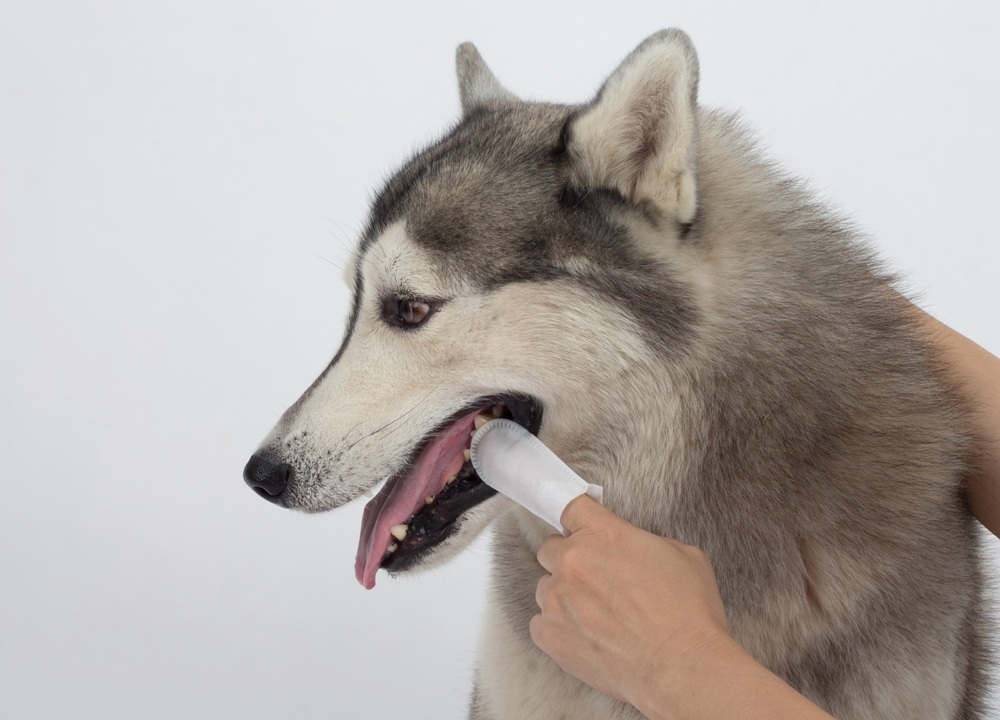

Understanding Pet Dentistry
Dental disease is one of the most frequently diagnosed health problems in companion animals. This condition occurs when bacteria and food debris accumulate around the teeth, creating tartar buildup that leads to inflammation, infection, and eventual deterioration of the soft tissue and bone supporting the teeth.
Professional dental cleanings remove plaque and tartar from above and below the gum line, areas that brushing alone cannot reach. These cleanings are performed under anesthesia to ensure thorough treatment and your pet’s comfort while allowing the veterinarian to examine every tooth, take dental X-rays when needed, and identify problems in their early stages.
When Oral Surgery Becomes Necessary
Some pets require oral surgery to address advanced dental disease or other mouth-related conditions. Common surgical procedures include tooth extractions for severely damaged or infected teeth, treatment of jaw fractures from trauma, removal of oral tumors or growths, and repair of palate defects. Signs that your pet may need oral surgery include loose or broken teeth, facial swelling, difficulty picking up food, excessive drooling, pawing at the mouth, or visible masses in the oral cavity.
Early detection through regular dental examinations can often prevent the need for extensive surgical intervention, which is why annual dental evaluations are so important for catching problems while they’re still manageable with less invasive treatments.


Benefits of Veterinary Dentistry & Oral Surgery
How We Approach Your Pet’s Dental Care
We Start with a Thorough Mouth Examination
Dr. Gary Zinderman, DVM, CVA, examines your pet’s teeth, gums, and oral tissues to identify tartar buildup, inflammation, loose teeth, and signs of disease. We discuss any concerns you’ve noticed, such as bad breath or difficulty eating. This assessment helps us determine whether your pet needs a routine cleaning or more advanced treatment like oral surgery.
Creating Your Pet's Dental Care Roadmap
We develop a treatment plan tailored to your pet’s specific needs, which may include professional cleaning, tooth extractions, infection treatment, or at-home care recommendations. You’ll receive a clear explanation of each step, expected outcomes, and costs. This ensures you can make informed decisions about your companion’s dental health.
Anesthesia-Supported Cleaning and Treatment
Your pet receives safe anesthesia while we clean above and below the gum line, remove diseased tissue, and perform any necessary extractions or surgical procedures. We monitor your companion closely throughout treatment and take dental X-rays when needed to identify hidden problems that aren’t visible during examination.
Building Better Habits Between Visits
After treatment, we provide instructions for pain management, recovery care, and prevention techniques. We demonstrate proper tooth brushing methods and recommend dental-friendly foods and treats that reduce plaque and tartar. These home care practices help maintain your pet’s dental health between professional cleanings.
Tracking Progress and Adjusting Care
Follow-up visits allow us to monitor healing and evaluate how well at-home care is working. Dr. Zinderman checks recovery progress and provides guidance to adjust your pet’s dental routine as needed. We’ll recommend a cleaning schedule based on your pet’s individual needs, typically annually or more frequently for those with dental disease history.


What Sets Our Approach to Dentistry & Oral Surgery Apart
Indian Street Animal Clinic prioritizes your pet’s safety and comfort throughout every dental procedure. Dr. Gary Zinderman, DVM, CVA, uses proven anesthesia protocols and modern techniques to minimize risks while delivering thorough care. We take time to address your questions and concerns, ensuring you understand exactly what your companion will experience and why each step matters for their health.
Beyond treating existing problems, we equip you with practical tools to maintain your pet’s oral health at home. Our team provides hands-on demonstrations of proper brushing techniques and recommends specific products suited to your dog or cat’s needs. This partnership approach means you’re actively involved in protecting your pet from painful dental disease between professional visits.
Protect Your Pet’s Smile With Our Dentistry and Oral Surgery Services!
Waiting for visible symptoms means your pet may already be suffering from painful dental disease that threatens their overall health. Dr. Gary Zinderman, DVM, CVA, and our dedicated team at Indian Street Animal Clinic provide dentistry and oral surgery services to help identify and address oral health issues before they escalate into serious complications. Reach out at 772-781-9990 to book your pet’s examination, and while you’re at it, follow our Facebook and Instagram pages for helpful tips on maintaining your companion’s dental health between visits! Your pet deserves a treatment plan that fits their needs and keeps them comfortable for years to come.

FAQs
How long does a dog’s dental cleaning take?
A typical dog dental cleaning procedure takes between 45 minutes to 90 minutes, depending on the severity of tartar buildup and whether extractions or other treatments are needed. This time includes anesthesia induction, the actual cleaning process with scaling and polishing, dental X-rays if necessary, and recovery monitoring. Your dog will need several hours at our clinic to ensure they’re fully awake and stable before going home with you.
How often do dogs need dental cleaning?
Most dogs need professional dental cleanings once a year to maintain optimal oral health and prevent the progression of periodontal disease. However, dogs with a history of dental problems, certain breeds prone to dental issues, or those with rapid tartar accumulation may require cleanings every six months. Dr. Zinderman will assess your dog’s individual needs during their annual examination and recommend the appropriate cleaning schedule based on their specific oral health status.
How to treat dental diseases in dogs?
Treating dental disease in dogs requires professional veterinary intervention, starting with a thorough examination and cleaning under anesthesia to remove tartar above and below the gum line. Depending on the severity, treatment may include antibiotics to address infection, extraction of severely damaged teeth, and possible oral surgery for advanced cases. At-home follow-up care with regular tooth brushing, dental-specific foods and treats, and routine veterinary check-ups helps prevent recurrence and maintains the results of professional treatment.
Do cats need dental cleaning?
Yes, cats absolutely need regular dental cleanings because dental disease is one of the most common health problems in feline companions. Cats are experts at hiding pain, so they often suffer silently from infected gums, loose teeth, and oral discomfort that affects their eating, grooming, and overall quality of life. Professional dental care prevents these painful conditions and protects your cat from serious complications like kidney, liver, and heart infections caused by oral bacteria entering the bloodstream.
How often do cats need dental cleaning?
Most cats benefit from professional dental cleanings once a year, though some may require more frequent cleanings depending on their individual oral health and tendency to develop tartar. Cats with chronic dental issues, certain breeds predisposed to periodontal disease, or those showing signs of rapid plaque accumulation may need cleanings every six to nine months. Your cat’s specific cleaning schedule should be determined during their annual veterinary examination when we can assess the current state of their teeth and gums.
How long does a cat's dental cleaning take?
A cat dental cleaning typically takes between 45 minutes to 75 minutes from anesthesia induction through recovery monitoring, though more complex cases requiring extractions or treatment of advanced disease may take longer. The procedure includes a comprehensive oral examination, scaling to remove tartar, polishing to smooth tooth surfaces, and potentially dental X-rays to identify hidden problems. Your cat will remain at our facility for several additional hours after the procedure to ensure complete recovery from anesthesia before returning home.
*For non-urgent scheduled appointments only. Wellness plans are not insurance and include listed services only. Plans do not cover any additional care recommended or provided to treat illness or accidental injury. Enrollment fees and services not used within the Plan term are non-refundable. Indian Street Animal Clinic reserves the right to adjust monthly fees or included services on any renewal or enrolment.