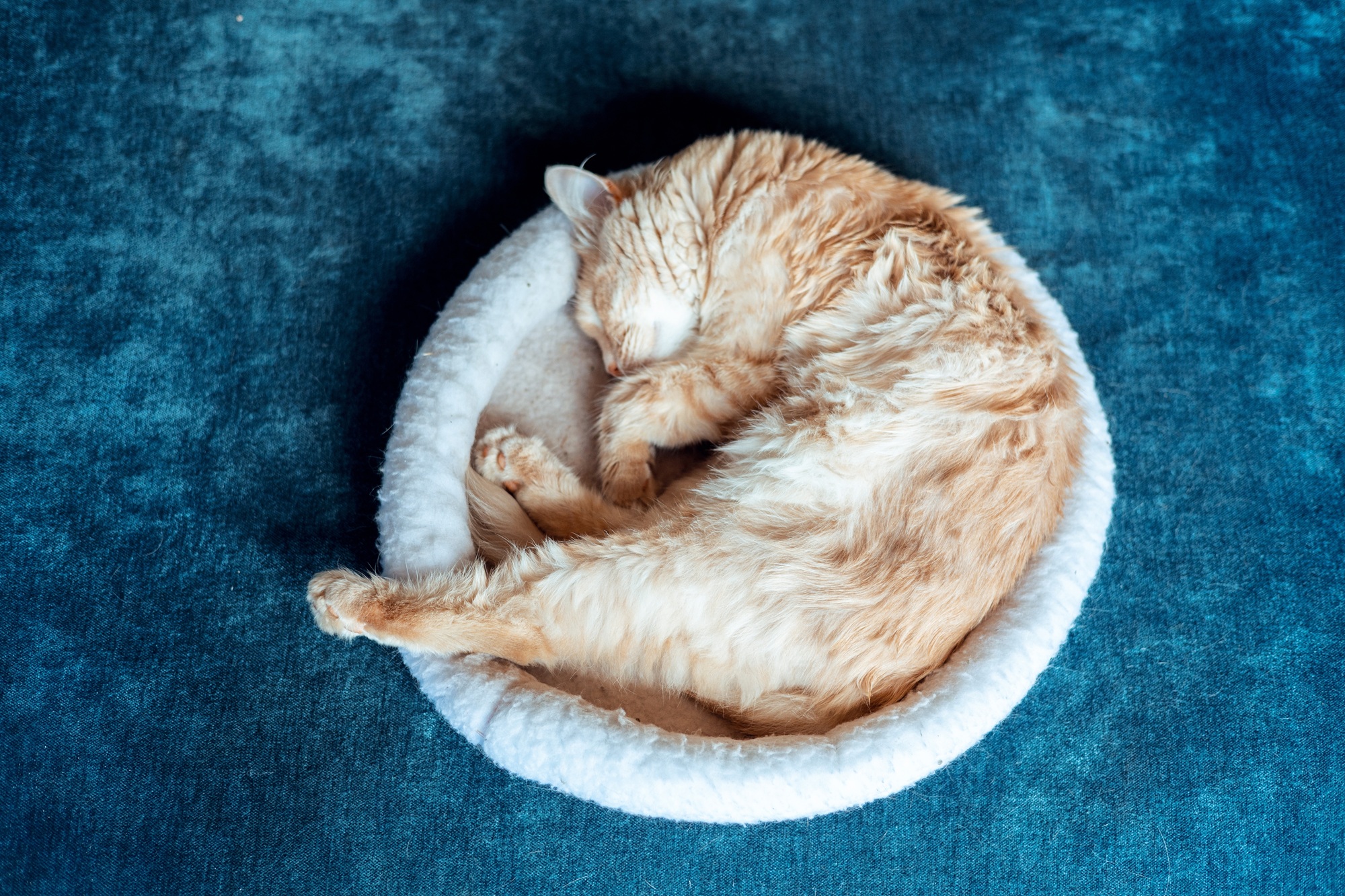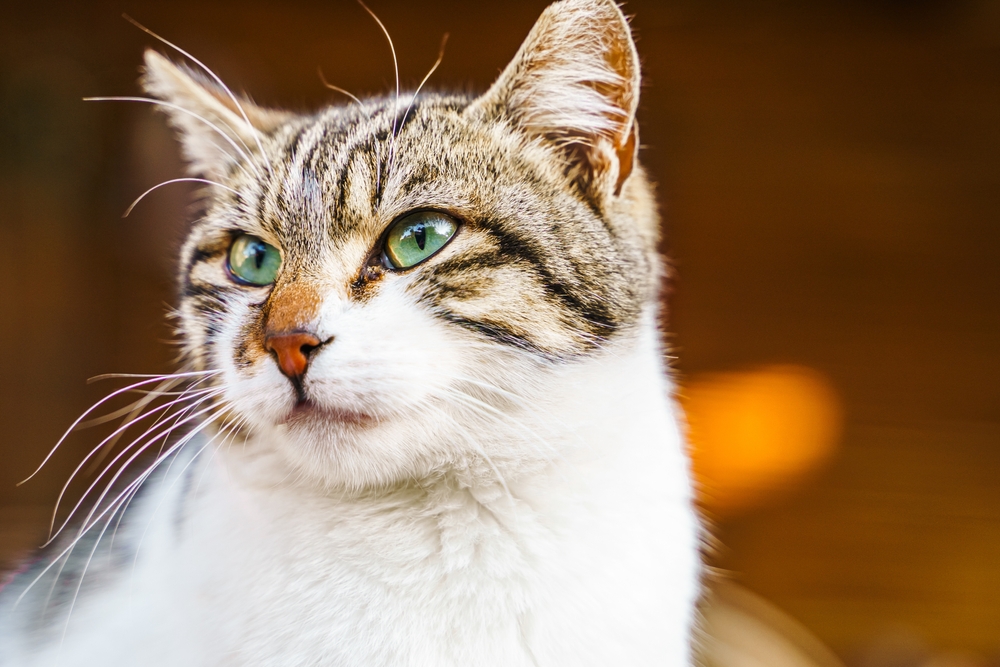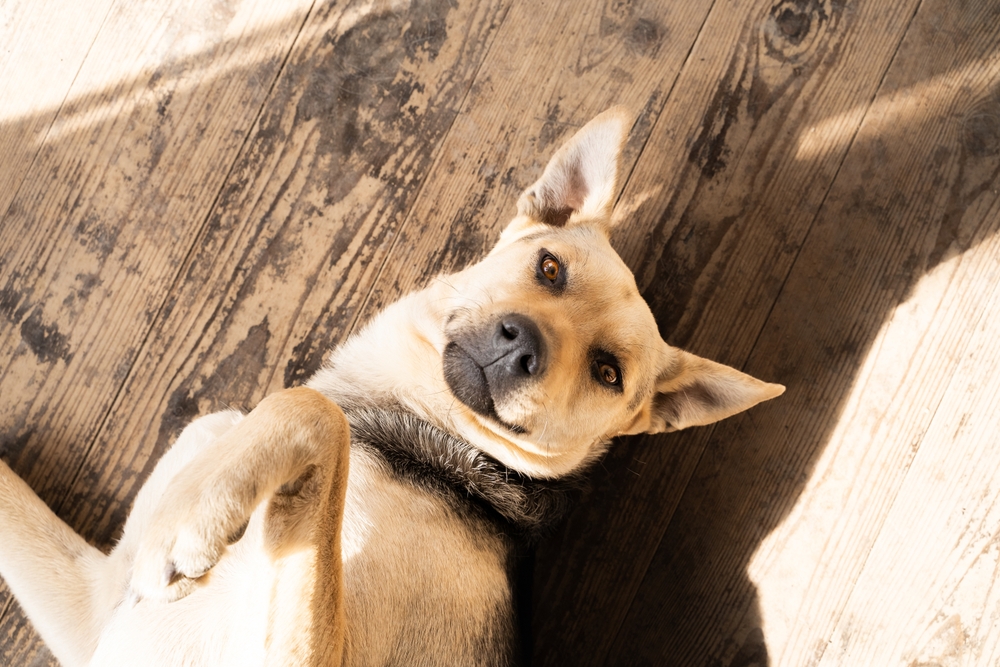
Your senior pet has different health needs now than they did as a young adult, and recognizing these changes early makes all the difference in their comfort and longevity. At Indian Street Animal Clinic, Dr. Gary Zinderman, DVM, CVA, specializes in geriatric care that addresses the unique health challenges senior pets face as they age. Our team understands that older dogs and cats require more frequent monitoring, specialized attention, and proactive treatment to maintain their comfort and vitality, and we’re here to provide the comprehensive care your aging companion deserves.
Geriatric Care


Understanding Geriatric Pet Care
Geriatric care focuses on the specific health needs of aging pets as they transition into their senior years. Just like humans, dogs and cats experience physical and cognitive changes as they age, making them more susceptible to various health conditions. Senior status varies depending on your pet’s breed and size—smaller dogs typically live longer than larger breeds, and cats generally outlive dogs. Most dogs reach senior status around 7 years of age, while cats enter this stage at approximately 8 years old.
The foundation of effective geriatric care lies in proactive monitoring and early detection of age-related conditions. Regular veterinary exams become increasingly important during this life stage because many serious diseases don’t show obvious symptoms until they’ve progressed significantly. Through comprehensive wellness evaluations, diagnostic testing, and personalized care plans, we can identify potential health issues early when they’re easier to treat or manage, ultimately helping your pet live a longer, healthier life.
Benefits of Geriatric Pet Care
Catching Health Problems Before They Progress
Regular geriatric care appointments allow us to catch diseases like arthritis, cancer, diabetes, heart disease, hormone disorders, and kidney or liver problems before they become severe. Early detection means we can start treatment sooner, giving your pet the best chance for successful management and potentially slowing disease progression. This proactive approach transforms how we handle age-related conditions, turning potential crises into manageable health concerns that don’t have to diminish your pet’s quality of life.
Adding Healthy Years to Your Pet's Life
Consistent veterinary care throughout your pet’s senior years can actually help them live longer while maintaining a better quality of life. Through regular monitoring, we establish what’s normal for your pet, making it easier to spot subtle changes that could indicate developing problems. This baseline information becomes invaluable as your pet ages, allowing us to make informed decisions about their care and intervene before minor issues become major complications.
Relieving Discomfort You Might Not Notice
Many symptoms commonly dismissed as “just old age” are actually treatable conditions that cause unnecessary discomfort. We can identify sources of pain your pet may be experiencing and develop effective management strategies to keep them comfortable. Whether addressing arthritis, dental disease, or other pain-causing conditions, our goal is ensuring your senior companion enjoys their daily activities without suffering, allowing them to maintain their personality and zest for life.
Preserving Your Pet's Mental Sharpness
Cognitive dysfunction syndrome affects many senior pets, causing confusion, disorientation, and behavioral changes similar to Alzheimer’s disease in humans. Through geriatric care, we can recognize early signs of cognitive decline and implement treatment strategies that may slow progression and improve your pet’s mental clarity. Supporting cognitive health helps your pet remain engaged with their environment and maintains the special bond you share with them.
Adjusting Diet and Activity for Aging Bodies
Your senior pet’s nutritional needs change as they age, requiring adjustments to their diet, exercise routine, and home environment. We provide personalized recommendations based on your pet’s specific health status, activity level, and any existing medical conditions. These tailored suggestions help optimize your pet’s weight, energy levels, and overall wellness, addressing everything from joint support to digestive health through appropriate modifications to their daily routine.


How We Care for Your Senior Pets
What Sets Our Approach to Geriatric Care Apart
At Indian Street Animal Clinic, we recognize that caring for senior pets requires specialized knowledge, patience, and genuine compassion. Dr. Gary Zinderman, DVM, CVA, brings extensive experience in geriatric veterinary medicine, utilizing both conventional treatments and complementary approaches like acupuncture to provide comprehensive care for aging pets. Our team takes the time to listen to your concerns, answer your questions thoroughly, and partner with you in making the best decisions for your companion’s health and comfort.
We believe every senior pet deserves to age with grace and dignity, free from preventable pain and discomfort. Our approach goes beyond simply treating diseases—we focus on enhancing your pet’s overall quality of life through personalized care plans that address their physical, cognitive, and emotional well-being. From baseline wellness exams that establish what’s normal for your pet to ongoing management of chronic conditions, we’re committed to supporting you and your beloved companion through every stage of their senior years.


Ready to support your pet through their senior years?
Your aging companion has given you years of unconditional love and loyalty, and now is the time to return that devotion through exceptional geriatric care. Dr. Gary Zinderman, DVM, CVA, and the entire team at Indian Street Animal Clinic are ready to help your senior pet thrive during their golden years with personalized attention and comprehensive veterinary support.
Contact us at 772-781-9990 today to schedule your pet’s senior wellness exam, and connect with us on Facebook and Instagram to stay updated on tips for keeping your aging companion healthy and happy. Your pet’s comfort and quality of life are worth every moment of care we provide together!
FAQs
How to keep your geriatric pet comfortable?
Maintaining your senior pet’s comfort involves creating a supportive home environment with easily accessible food, water, and resting areas that accommodate any mobility limitations. Provide orthopedic bedding to cushion achy joints, maintain a consistent daily routine to reduce stress, and ensure your home temperature stays comfortable since older pets regulate body temperature less efficiently. Regular veterinary care helps identify and treat sources of pain, while gentle exercise and mental stimulation keep your pet engaged without causing overexertion or discomfort.
What is the most important part of geriatric pet care?
The most crucial aspect of geriatric pet care is regular veterinary examinations combined with proactive monitoring for changes in your pet’s behavior, appetite, mobility, and overall condition. Early detection of age-related diseases dramatically improves treatment outcomes and can prevent minor issues from becoming life-threatening emergencies. Consistent wellness visits allow your veterinarian to establish baseline health parameters and track subtle changes over time, making it possible to intervene before diseases progress to advanced stages where treatment options become limited.
How to care for a senior dog?
Caring for a senior dog requires adjustments to their diet, exercise routine, and living environment to accommodate changing physical and cognitive needs. Schedule regular veterinary checkups at least twice yearly to monitor for common age-related conditions like arthritis, dental disease, and organ dysfunction. Modify your home to make navigation easier by adding non-slip rugs, ramps for furniture or stairs, and keeping food and water bowls at comfortable heights while maintaining mental stimulation through gentle play and interactive toys appropriate for their energy level.
How to care for a senior cat?
Senior cat care involves monitoring for subtle changes in behavior, litter box habits, and eating patterns that may indicate underlying health issues requiring veterinary attention. Provide multiple litter boxes with low sides for easy access, ensure fresh water is available in several locations, and offer softer food if dental problems make chewing difficult. Keep your senior cat’s environment calm and predictable, with easily accessible resting spots at various heights, and maintain regular veterinary visits to screen for common feline age-related conditions like kidney disease, hyperthyroidism, and diabetes.
*For non-urgent scheduled appointments only. Wellness plans are not insurance and include listed services only. Plans do not cover any additional care recommended or provided to treat illness or accidental injury. Enrollment fees and services not used within the Plan term are non-refundable. Indian Street Animal Clinic reserves the right to adjust monthly fees or included services on any renewal or enrolment.